

Installing a new air conditioning system is a big decision for any homeowner in South Florida. Whether you’re upgrading an outdated unit or installing a system in a newly built home, understanding the process helps reduce stress and ensures better results. At Natal Air Conditioning, our licensed HVAC professionals take the time to ensure every air conditioner installation is completed with care, precision, and long-term performance in mind.
In this guide, we’ll walk you through what to expect during an AC install, from your first consultation to post-installation care. Let’s dive in.
Initial Consultation and In-Home Assessment
The first step in any successful air conditioning installation is an in-home consultation with a trusted AC expert. For homeowners in Pompano Beach, this step is crucial due to the unique coastal climate. At Natal A/C, we begin by evaluating your current system (if applicable), assessing your home’s layout, and discussing your cooling needs.
Key points we evaluate:
- Size of your home (square footage)
- Number of rooms and layout
- Insulation quality and ductwork condition
- Existing AC system (if any)
- Your budget and energy efficiency goals
This assessment ensures we recommend an AC system installation that is correctly sized, not too small that it underperforms, and not too large that it short-cycles and wastes energy. We’ll also determine whether your current ductwork, electrical connections, and drainage setup are compatible with a new system or need upgrades.
Choosing the Right Air Conditioning System
Not all AC units are created equal. There are many types of systems, including central air conditioners, ductless mini-splits, and heat pumps. Natal Air Conditioning will help you choose a system that meets your cooling needs, energy efficiency goals, and budget.
We’ll also help you understand SEER ratings, or Seasonal Energy Efficiency Ratios. A higher SEER means a more energy-efficient unit, which is ideal for lowering long-term energy bills in Florida’s hot climate.
Preparing Your Home for Installation Day
Once your system is selected, it’s time to get your home ready. We recommend clearing space around the installation site both indoors and outdoors. Our team will take steps to protect your flooring and furniture, and we ask that pets and small children be kept away from the work zone for safety.
Before the installation, we may also recommend upgrading ductwork, modifying insulation, or leveling the ground for outdoor units.
Removal of Old Equipment
For replacements, we carefully remove the existing air conditioning equipment. This includes recovering refrigerant using EPA-compliant procedures, disconnecting electrical wiring, and removing the old condenser, evaporator coil, and line set.
Disposing of old AC systems is included in your service with Natal Air Conditioning. Our team handles all removals cleanly and safely.
Air Conditioner Installation Process
This is where your new cooling system comes to life. Our certified technicians follow a proven process for AC installation, combining precision, safety, and cleanliness to ensure optimal results.
- Placement of outdoor condenser: We begin by leveling the ground and placing a durable, vibration-absorbing composite pad to support the condenser and prevent shifting over time. Proper spacing is ensured for airflow and future servicing.
- Indoor evaporator coil installation: The evaporator coil is installed and expertly sealed to existing or newly upgraded ductwork to ensure efficient air distribution and prevent energy loss
- Refrigerant line set installation: A new line set is installed whenever possible. If reusing existing lines, we flush, pressure-test, and inspect them thoroughly to maintain system integrity.
- Condensate drain line installation: We install and test the drain line to ensure moisture is effectively carried away, preventing water damage and mold.
- High- and low-voltage electrical work: All wiring is completed by licensed electricians who follow local codes and manufacturer specifications for maximum safety and performance.
Throughout the installation, our technicians take special care to use floor coverings and wear booties indoors to leave your home just as clean as we found it.
Refrigerant Charging and System Testing
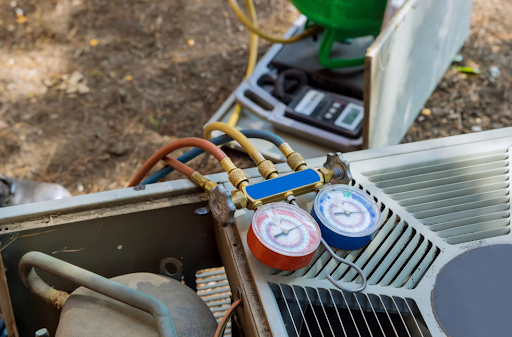
After the physical installation is complete, your AC system is charged with refrigerant (R-410A or another approved type). This process must be done carefully and with precision, as undercharging or overcharging can cause poor performance and early failure.
We then run a full system test, checking:
- Airflow
- Temperature differential
- Refrigerant pressure
- Electrical readings
- Thermostat operation
Once everything checks out, we commission the system and make sure it is cooling your home efficiently and evenly.
Final Walkthrough and Customer Education
Before we consider the job done, our team will walk you through the new system. We’ll explain how to use your thermostat, review any maintenance tips, and answer all your questions. We also provide warranty information and share recommendations on filter changes and routine inspections to keep your system running smoothly.
Tips to Prepare for Your AC Install
- Clear the area around your indoor and outdoor units.
- Make sure your pets are secured safely away from the work zones.
- Remove any fragile or valuable items near the installation path.
- Schedule installation on a day when someone can be home for access and a final walkthrough.
How Long Does AC Installation Take?
Most air conditioner installations can be completed in one day. However, larger homes, ductwork upgrades, or more complex HVAC system installations may take up to two days. Natal A/C will provide an accurate time estimate before work begins.
Why Choose Natal Air Conditioning?
We are proud to serve homeowners across South Florida, including Pompano Beach, Fort Lauderdale, Boca Raton, Coral Springs, Deerfield Beach, and surrounding areas. With decades of experience and a commitment to 5-star service, we bring expertise and transparency to every project.
At Natal A/C, we offer:
- Competitive pricing and financing options
- Free estimates and consultations
- Energy-efficient, high-SEER AC systems
- Factory-trained, licensed HVAC technicians
- Transparent communication every step of the way
Why Professional AC Installation Matters for Long-Term Performance
Choosing the right air conditioning unit is only half the battle—how it’s installed makes all the difference in long-term performance. A professionally installed AC system ensures proper sizing, airflow, drainage, and refrigerant charge. When any one of these elements is overlooked, your system may suffer from reduced efficiency, higher energy bills, or even premature breakdowns. At Natal A/C, our licensed technicians follow manufacturer guidelines and local building codes to the letter. We don’t cut corners because we understand how important your indoor comfort is, especially in Florida’s extreme heat and humidity. Improper installation can also void your warranty and lead to costly repairs. With professional installation, you get peace of mind knowing your investment will last longer, operate more quietly, and cool your home evenly. Plus, our post-installation support, including warranty registration, maintenance options, and customer service, ensures you’re never left in the dark. When you choose Natal A/C, you’re not just getting a unit—you’re getting a dependable comfort system designed for long-term performance.
Common Questions About AC Installation
Do I need a permit to install a new AC system?
Yes, in most areas, a permit is required for HVAC system installation to ensure compliance with local building codes and safety regulations. Permits are important because they guarantee that the work meets current standards for electrical, refrigerant, and structural safety. At Natal A/C, we handle all necessary permits and schedule required inspections on your behalf, so you don’t have to worry about the red tape.
Can I install an air conditioner myself?
Air conditioner installation is not a DIY project. Not only does it involve precise electrical and mechanical work, but it also requires EPA certification for handling refrigerants. Improper installation can result in poor system performance, higher energy bills, refrigerant leaks, and voided warranties. Trusting a licensed professional like Natal A/C ensures your system is installed safely, efficiently, and in full compliance with warranty terms and manufacturer guidelines.
What type of maintenance does my new AC need?
To keep your new air conditioning system running at peak performance, it’s essential to follow a regular maintenance routine. This includes changing filters every 1–3 months, scheduling annual professional tune-ups, checking for refrigerant levels, and keeping the outdoor unit free of leaves and debris. Enrolling in a preventative maintenance plan with Natal A/C can help extend the life of your system, reduce repair costs, and ensure year-round comfort.
How long does an AC installation take?
Most residential air conditioner installations are completed within a single day, although larger homes or more complex systems may require additional time. Our team will give you a detailed timeline and keep you informed every step of the way. We respect your home, clean up afterward, and ensure the system is running perfectly before we leave.
Disclaimer
Every home and AC system is different. The steps outlined above may vary depending on your home’s unique setup, existing infrastructure, and chosen equipment. For a customized plan and accurate quote, please contact Natal Air Conditioning today.
Schedule Your Air Conditioning Installation with Natal A/C
Ready to enjoy the comfort and energy savings of a new AC unit? Whether you’re replacing an old system or outfitting a new home, Natal Air Conditioning is your trusted partner for professional AC installation in South Florida.
Call us at 954-787-5535 or fill out our contact form to schedule your free consultation today.