
...

Financing Available: 0% interest, 36 months. With approved credit

Learn More
954-715-4995

Monthly Archives: April 2024

AC Problems and Issues

Top 5 Common AC Problems and Troubleshooting Tips

In the sweltering heat of summer or the unexpected warmth of spring, a functioning air conditioning (AC) unit is not just a luxury but a necessity. However, like any complex machinery, AC units are prone to a range of problems that can affect their efficiency and performance. Understanding the most common AC problems can help homeowners perform basic troubleshooting, recognize warning signs, and learn how to troubleshoot air conditioning problems before they escalate. Here are the top 5 common AC problems and troubleshooting tips to keep your unit running smoothly.

1. AC Not Cooling Properly

One of the most common AC problems homeowners face is when the system is running but not cooling effectively. This problem can be attributed to several factors, including dirty air filters, low refrigerant levels, or a faulty compressor.

Troubleshooting Tips:

  • Check and replace the air filter: A clogged air filter restricts airflow, reducing the unit’s efficiency and ability to cool the air. Replacing or cleaning the air filter monthly during peak usage can solve this issue is one of the simplest air conditioning troubleshooting tips that can restore proper function.
  • Inspect the thermostat settings: Ensure the thermostat is set to “cool” and the temperature setting is lower than the current room temperature.
  • Examine the outdoor unit: Debris and dirt can obstruct the condenser coils in the outdoor unit, hampering the cooling process. Cleaning around the unit and removing any obstructions can improve performance.

2. AC Blowing Warm Air

Among the most common AC problems, this one is especially frustrating in the Florida heat. It’s often caused by a refrigerant leak, incorrect thermostat settings, or a compressor issue.

Troubleshooting Tips:

  • Verify thermostat settings: Double-check that your thermostat is set to cool and is working correctly.
  • Check for refrigerant leaks: Refrigerant leaks not only cause your AC to blow warm air but can also harm the environment. If you suspect a leak, contact a professional for a repair.
  • Inspect the compressor: The compressor is crucial for refrigerant circulation. If it’s malfunctioning, your AC will not cool effectively. This is one of the more advanced air conditioning troubleshooting tips that usually requires professional assistance.

3. Unusual Noises from the AC Unit

An AC unit should run relatively quietly. If you start hearing weird noises like grinding, squealing, or rattling, it’s a sign that something’s wrong.

Troubleshooting Tips:

  • Tighten loose parts: Sometimes, the noise can come from loose parts. Check the unit for any loose screws or components and tighten them.
  • Lubricate the motor: If the squealing persists, it might be due to a lack of lubrication on the motor’s bearings. Applying lubricant can quieten the noise.
  • Seek professional help: Grinding noises often indicate a serious problem, such as a failing motor. In such cases, it’s best to call a technician.

4. AC Unit Cycling On and Off Frequently

Also known as short cycling, this issue not only reduces efficiency but can also significantly shorten the lifespan of your unit.

Troubleshooting Tips:

  • Clean or replace the air filter: A dirty filter can cause the unit to overheat and cycle off.
  • Check the thermostat: Improper thermostat placement can lead to false temperature readings, causing the unit to cycle on and off.
  • Inspect the refrigerant levels: Low refrigerant can cause the compressor to overheat and shut down. A professional can check and refill the refrigerant if needed.

5. Water Leaks Inside or Outside the AC Unit

Water leaks can be due to a clogged condensate drain line, a damaged drain pan, or improper installation.

Troubleshooting Tips:

  • Clear the condensate drain line: Use a wet/dry vacuum to suck out any clogs from the drain line.
  • Inspect the drain pan: Check for cracks or damage in the drain pan and replace it if necessary.
  • Ensure proper installation: An improperly installed AC unit can lead to water leaks. Make sure the unit is level and that all connections are secure.

Common Preventative Maintenance Tips

Staying ahead of AC problems starts with a few simple, consistent habits. Here are the top preventative maintenance tips to keep your system running efficiently year-round:

  1. Change Your Air Filter Regularly
    Replace or clean your air filter every 30 to 60 days to improve airflow, maintain indoor air quality, and reduce strain on your system.
  2. Keep the Outdoor Unit Clear
    Remove leaves, grass clippings, and debris from around the condenser unit. Maintaining at least 2 feet of clearance ensures proper airflow and prevents overheating.
  3. Schedule Annual Tune-Ups
    Have a licensed HVAC technician inspect your system once a year to check refrigerant levels, clean coils, test components, and identify any potential issues early.
  4. Clean the Condensate Drain Line
    Prevent mold growth and water damage by flushing the drain line with a vinegar solution or having it cleaned during professional maintenance.
  5. Check Thermostat Function and Settings
    Ensure your thermostat is working properly and set to a comfortable temperature. Consider upgrading to a programmable or smart thermostat for better efficiency.

By following these simple maintenance steps, you can extend the lifespan of your AC unit, avoid unexpected breakdowns, and keep your home cool and comfortable all year long.

Signs Your AC May Be Failing

While many issues can be fixed with basic AC troubleshooting, some recurring problems may signal that your system is reaching the end of its lifespan. Here are key signs that your air conditioner might be failing:

  • Frequent Breakdowns: If you’re calling for repairs often, the system may be on its last legs.
  • Rising Energy Bills: A failing AC works harder to cool, which leads to higher utility costs.
  • Inconsistent Cooling: Uneven temperatures or warm spots in your home suggest poor performance.
  • Unusual Noises or Smells: Grinding, buzzing, or musty odors often point to internal damage.
  • System Age (10+ Years): Most AC units last 10 to 15 years—older units are more prone to failure.

If you’re noticing several of these warning signs, it might be time to consider a replacement or at least a professional inspection.

When to Call a Professional

While many minor issues can be resolved with simple troubleshooting, some problems require the expertise of a professional. If you’ve attempted the above tips and your AC is still not functioning correctly, or if you suspect a more serious issue, such as a refrigerant leak or a damaged compressor, it’s time to call in the experts. 

Conclusion

Regular maintenance and timely troubleshooting can significantly extend the life of your AC unit and ensure it runs efficiently. By understanding these common problems and how to address them, you can keep your living space comfortable and your energy bills in check. However, don’t hesitate to contact a professional HVAC technician for complex issues or regular maintenance checks to keep your air conditioning system in top condition. Remember, the key to a long-lasting AC unit is not just quick fixes but also preventative care and professional oversight.

Don’t Wait, Call Now!

Don’t let AC problems disrupt your comfort! For expert AC repair, maintenance, and installation services, trust Natal Air Conditioning. Visit our website or call us today at (954) 787-5339 to get a free consultation and learn more about how we can elevate your HVAC experience. Your comfort is our priority, and we’re here to ensure your air conditioning system operates flawlessly.

Frequently Asked Questions

1. How often should I schedule professional AC maintenance in Florida?

In Florida’s hot and humid climate, it’s best to schedule professional AC maintenance at least once a year, ideally in the spring before peak summer usage. However, many HVAC experts recommend bi-annual checkups—one before summer and another before winter—to ensure your system is ready year-round. Regular inspections can catch issues early and help maintain energy efficiency.

2. What are the signs my AC system needs a tune-up?

Some early signs your AC needs a tune-up include:

  • A sudden spike in energy bills
  • Air that feels less cool than usual
  • Excessive humidity indoors
  • Strange odors or weak airflow
  • The thermostat does not match the room temperature

If you notice any of these, it’s time to schedule a maintenance check before a major breakdown occurs.

3. Can clogged ducts cause AC problems?

Yes, clogged or dirty air ducts can reduce airflow, force your system to work harder and decrease indoor air quality. Over time, this strain can lead to overheating or short cycling. Cleaning your ducts every 3–5 years—or sooner if you have pets or allergies—can improve performance and prolong the lifespan of your unit.

4. Should I cover my outdoor AC unit when not in use?

Generally, you should not fully cover your outdoor unit, especially in humid areas like South Florida. Covers can trap moisture and promote mold growth or rust. If you’re worried about debris, opt for a breathable cover or top-only shield. Make sure to remove any covering before turning the unit back on.

5. What are the best ways to reduce AC wear and tear over time?

To minimize long-term damage and improve system longevity:

  • Set your thermostat a few degrees higher when you’re not home
  • Use ceiling fans to reduce reliance on the AC
  • Seal windows and doors to prevent air leaks
  • Install a programmable thermostat
  • Replace filters monthly during peak season

These habits not only reduce wear but also lower your energy costs and improve cooling efficiency.

Top 5 AC Issues Frustration

Top 5 Critical AC Issues and How Natal Air Conditioning Helps Prevent Them

Maintaining an efficient and safe AC system is more than just a convenience—it’s essential for the comfort and safety of your building’s occupants. At Natal Air Conditioning, we specialize in identifying and resolving potential AC issues before they escalate into costly emergencies. Here, we discuss five common AC problems and how our expert services can help prevent them, ensuring your system runs smoothly and efficiently year-round.

1. Refrigerant Leaks: The Efficiency Killers

What Happens?

Air conditioners and heat pumps rely on refrigerant to cool your home or office. A leak in the refrigerant lines can reduce the efficiency of your system, cause it to run longer, and increase operational costs. Over time, this can lead to significant wear and tear on your system’s components, especially the compressor, and can even result in total system failure.

Prevention Tips:

Regular maintenance checks by a professional can catch leaks early before they cause major damage. Natal Air Conditioning uses state-of-the-art refrigerant leak detection tools to accurately identify and repair leaks, ensuring your system maintains optimal performance.

Natal’s Proactive Approach:

Our technicians perform routine inspections of your system’s refrigerant levels and the physical condition of the lines during every maintenance visit. We believe in fixing small problems quickly to prevent bigger issues down the line.

2. Drain Line Clogs: Avoiding Water Damage

What Happens?

Your AC unit’s condensate drain line plays a crucial role in removing condensation produced by your air conditioner’s evaporator coil. If the drain line becomes clogged, it can lead to water backing up and potentially damaging your system and property.

Prevention Tips:

Keeping the drain line clear is essential. We recommend regular cleaning and inspections to ensure that water flows freely and does not cause damage or affect indoor air quality.

Natal’s Detailed Maintenance:

During our maintenance services, Natal Air Conditioning’s technicians will clean and flush your system’s drain lines. We also check the condition of the condensate drain pan and the proper operation of any condensate pumps, as part of our comprehensive approach to AC maintenance.

3. Ductwork Issues: Ensuring Efficient Air Distribution

What Happens?

Poorly maintained or damaged ductwork can lead to significant energy losses. Common issues include leaks, blockages, and poor connections that can restrict airflow and reduce system efficiency. This not only impacts your comfort but also increases your energy bills.

Prevention Tips:

Regular duct inspections can help identify and resolve these issues promptly. It’s important to ensure that ducts are not only clear of obstructions but also well-insulated and securely sealed.

Natal’s System Optimization:

Natal Air Conditioning offers duct inspection, cleaning, sealing, and repair services. We ensure that your ductwork is efficiently distributing air throughout your property, maintaining comfort and reducing unnecessary energy expenditure.

4. Electrical Failures: Keeping Systems Running

What Happens?

AC systems rely on an intricate electrical system. Over time, connections can loosen, and components can wear out, leading to failures or continuous operation, which can dramatically shorten the lifespan of your AC unit.

Prevention Tips:

Regular checks of the electrical components, including capacitors, contactors, and wiring, can prevent sudden failures. It’s also crucial to ensure that your system’s electrical load is correctly balanced with your property’s electrical capacity.

Natal’s Electrical Maintenance:

Our technicians are trained to diagnose and repair any electrical issues during routine maintenance visits. We ensure that all electrical connections are tight and that all components function correctly, providing peace of mind and reducing the risk of electrical malfunctions.

5. Gas Leaks: Prioritizing Safety

What Happens?

If your heating system uses natural gas or propane, leaks can pose serious safety risks, including fire or explosion. Even small leaks can have serious health implications.

Prevention Tips:

It’s vital to have your gas lines and connections checked regularly to ensure they are secure and leak-free. Recognizing signs of a gas leak early is crucial—common indicators include the smell of rotten eggs or a hissing sound near gas lines.

Natal’s Safety Inspections:

Natal Air Conditioning offers detailed inspections of all gas heating components. We prioritize your safety by performing rigorous leak tests and ensuring all fittings and gas lines are intact and secure.

Preventative Air Conditioning System Maintenance

Regular maintenance is key to avoiding these common AC problems. At Natal Air Conditioning, we provide tailored maintenance programs designed to address the specific needs of your HVAC system. By being proactive, you can extend the lifespan of your equipment, enhance its efficiency, and ensure a safer, more comfortable environment.

Don’t Wait, Secure Your Comfort Today!

Don’t let HVAC issues disrupt your comfort or safety. Contact Natal Air Conditioning today at (954) 788-0099 to schedule a comprehensive

Best AC System for Your Home

How to Choose the Best Air Conditioner for Your Home

Are you ready for a new air conditioner? Whether it’s due to the energy costs and maintenance fees associated with running your old one or a lack of efficiency and a stifling house due to an AC unit that no longer runs at capacity, it’s time to jump in with both feet and choose a new model. With the Florida weather being as hot and humid as ever, you really can’t go without air conditioning for long without risking consequences like heat exhaustion while inside your new home. 

Choosing the right air conditioner is a significant decision that can affect your comfort, energy efficiency, and overall cooling costs for years to come.

So, if you’re ready to take the leap and start looking for a new air conditioning unit, Natal Air Conditioning is ready to help. Here’s a quick guide to get you started. 

AC Buying Checklist

Choosing the right air conditioner starts with understanding your home’s needs and setting clear priorities. Use this checklist to guide your decision-making process:

  • Measure Your Cooling Area: Calculate the square footage of the space you want to cool to determine the appropriate BTU capacity.
  • Consider System Type: Decide between ductless mini-splits, heat pumps, packaged units, or central air, based on your home’s layout and infrastructure.
  • Check Energy Efficiency Ratings: Look for high SEER (Seasonal Energy Efficiency Ratio) ratings to ensure lower operating costs over time.
  • Assess Maintenance Needs: Some systems, like central air, may require more regular filter changes and coil cleaning than ductless systems.
  • Explore Smart Features: If you want remote control, scheduling, or automation, make sure the unit supports smart thermostat compatibility.
  • Establish Your Budget: Factor in both equipment and installation costs, and remember to account for long-term energy savings.
  • Consult a Professional: A licensed HVAC technician can assess your home and recommend systems tailored to your needs.

Following a structured AC buying checklist like this one ensures a well-informed investment that balances comfort, efficiency, and cost.

Understanding the Different Types of AC Systems

The first thing that you need to keep in mind when looking for a new AC unit is the various types available. While central air is still popular, it’s no longer the only option. You can choose between:

  • A Mini-Split – Mini-splits are wall-mounted AC systems that are entirely self-contained. They are designed to cool only part of a home, such as a large room or an entire floor, while another mini-split or two is needed for the other sections of the house. This system allows you to create zones with different temperatures, which can be a bonus for those who live with people who prefer different comfort levels. Mini-splits are energy-efficient, easy to install, and a great option for homes without existing ductwork.
  • A Heat Pump – Heat pumps are useful because they function as both a furnace and an air conditioner. They sit outside of the home and use both interior and exterior air to get the job done. For example, in the summer, the heat pump will remove warm air from the home, leaving the cool air behind. This option is very energy efficient and well-suited for Florida’s mild winters.
  • Classic Central Air – Central air systems haven’t changed much over the years, although they have become much more energy-efficient. These systems connect to your existing furnace and ductwork. The AC unit sits outside of the home, cooling down the air that is then pumped through the ductwork to make the house comfortable. A central air system is also good at removing humidity from the air. This is an excellent choice for consistent cooling throughout your home.
  • A Packaged AC – Unlike central air systems, packaged air conditioning units have everything that they need to cool off your air in one single unit. They contain the condenser and more, leaving them able to operate without a furnace or ductwork attached to them. If your home lacks ductwork, this is a great option. In addition, you can choose from window-mounted units that only cool part of the home or a larger air conditioner that takes care of your whole house. Packaged systems are compact and ideal for homes with limited space.

Different Types of AC Systems

Size and Capacity Matter

When you’re shopping for air conditioners, you’ll notice that many of them list a BTU rating. BTU in this case stands for British Thermal Units. A BTU is a measurement of how much power it takes for the machine to heat a single pound of water by a single degree Fahrenheit in an hour. When discussing air conditioners, a BTU measures how much heat it will remove from the air in an hour. While you probably won’t want to do any of these calculations in your head, it’s crucial to keep in mind that the more BTU, the more powerful the machine. 

Choosing the correct BTU capacity is essential for both comfort and energy efficiency. A system that is too small for your space will struggle to maintain the desired temperature, causing it to run constantly and increasing energy costs. On the other hand, a unit that is too large will cool the room too quickly without properly removing humidity, leaving your home feeling damp and uncomfortable.

How to Determine the Right BTU for Your Home

  • Room Size: Calculate the square footage of the space you need to cool. Multiply the room’s length by its width to get the total square footage.
  • Ceiling Height: Higher ceilings mean more air volume to cool, requiring a system with greater BTU capacity.
  • Windows: The number, size, and type of windows in a room affect heat gain. Large, south-facing windows allow more sunlight to enter, increasing cooling needs.
  • Insulation: Well-insulated homes retain cool air better, requiring less energy to maintain comfortable temperatures.
  • Climate: In hot, humid areas like Florida, you may need a higher BTU rating to account for the added heat and moisture in the air.

BTU Chart for Guidance

Here’s a general guideline for BTU needs based on room size:

  • 150–250 sq. ft.: 6,000–8,000 BTU
  • 300–400 sq. ft.: 10,000–12,000 BTU
  • 500–600 sq. ft.: 14,000–18,000 BTU
  • 800–1,000 sq. ft.: 20,000–24,000 BTU

Consulting a professional to assess your home’s specific cooling needs can ensure you select the right-sized system for optimal comfort and energy efficiency.

What About the SEER Rating?

Another numeric unit that you’ll see on air conditioners is the SEER rating. The term stands for Seasonal Energy Efficiency Ratio and is a measurement of how energy efficient the AC unit is. How are these numbers determined? The output in terms of cool air and the amount of energy used by the air conditioner are measured over a year and then averaged to come up with the SEER rating. The higher the number, the more energy-efficient the air conditioning system is. While this translates into lower energy costs, it also means that the AC unit will cost more to purchase upfront. However, over time this balances out, and you’ll end up saving money on your electric bills. 

Common AC Features Explained

Today’s air conditioning systems offer far more than just basic cooling. Understanding common features can help you choose a model that aligns with your comfort goals and lifestyle:

  • Variable-Speed Compressors: These allow the system to adjust its output, maintaining a consistent temperature and using energy more efficiently than single-speed units.
  • Built-In Dehumidifiers: Especially useful in Florida’s humid climate, this feature helps maintain indoor air quality and comfort by reducing excess moisture.
  • Smart Thermostat Compatibility: Many modern units integrate with programmable or Wi-Fi-enabled thermostats, allowing remote control and scheduling from your smartphone.
  • Advanced Filtration Systems: Multi-stage air filters trap dust, pollen, and other allergens, improving overall indoor air quality—ideal for households with allergies or pets.
  • Quiet Operation Modes: High-performance units often feature sound-dampening technology, making them ideal for bedrooms or quiet living spaces.

By understanding these common AC features, you can confidently select a unit that goes beyond temperature control to enhance overall indoor comfort.

Smart AC Technology

Today’s air conditioners go beyond traditional temperature control. Many modern systems offer smart technology features that allow you to monitor and manage your home’s cooling more efficiently. With Wi-Fi-enabled thermostats, you can adjust settings remotely using a smartphone app perfect for managing energy use while you’re away. Some systems also offer learning capabilities, adapting to your schedule and optimizing performance automatically. In addition to convenience, smart AC systems often come with energy usage reports that help you track your consumption and make cost-saving adjustments. If you’re investing in a new unit, be sure to explore models that integrate with smart home systems like Google Nest or Amazon Alexa for full connectivity and voice control.

Don’t Forget About Maintenance

In addition to the other important factors, maintenance is also something to consider when choosing an air conditioner. While every option requires some maintenance, it varies depending on the unit. For example, if you have a mini-split, you’ll need to vacuum around it to remove any built-up dust and debris, while with a central air conditioner, you’ll have to make sure that the area around it is clear of rocks and grass, as well as change the air filter regularly. It’s up to you to decide just how much upkeep you’d like to do on your AC unit so that you choose one that fits your needs. 

What Affects Installation Costs?

AC installation costs can vary widely depending on multiple factors. Knowing what influences pricing can help you plan your budget more accurately:

  • System Type: Central air systems generally cost more to install than ductless mini-splits or packaged units due to ductwork requirements.
  • Home Size and Layout: Larger homes or those with complex layouts may require more labor and equipment, increasing the installation cost.
  • Electrical and Structural Needs: Older homes may need electrical upgrades, new breakers, or additional structural support to accommodate modern systems.
  • Zoning and Add-Ons: Features like zone control, air purification systems, or smart integrations add functionality but also increase the overall cost.

Understanding what affects installation costs allows you to make cost-effective choices without compromising comfort or efficiency.

Understanding AC Warranties

When purchasing a new air conditioning unit, understanding the warranty coverage is essential. Most manufacturers offer warranties that range from 5 to 10 years, depending on the brand and model. Some cover only parts, while others include limited labor. Look for warranties that protect major components like the compressor, coils, and fan motor. Additionally, ensure your installation is performed by a licensed HVAC contractor, as improper installation can void the warranty. Ask whether extended warranty options are available and if regular maintenance is required to keep the warranty valid. A strong warranty provides peace of mind and can save you significant money on repairs over the life of your system.

Seasonal Timing Tips for Buying an AC

The timing of your air conditioner purchase can significantly affect both the overall cost and the installation schedule. For Florida homeowners, planning your AC replacement or upgrade during the right season offers several key advantages:

  • Avoid Summer Delays: Summer is the busiest season for AC repairs and installations. Waiting until temperatures rise could mean longer wait times and limited inventory.
  • Plan Ahead for Comfort: Installing a new system before the heat sets in ensures that your home remains comfortable and reduces the risk of system failure when you need it most.
  • Take Advantage of Rebates: Many energy companies and manufacturers provide rebates or tax incentives in the spring or fall to encourage early upgrades.

By following these seasonal timing tips for buying an AC, you can secure better pricing, faster service, and peace of mind before peak demand hits.

Contact Natal Air Conditioning

Of course, you may need some guidance when it comes to choosing your new AC unit. If you have any questions about seer rating, maintenance costs, extra features, and more, reach out to the experts at Natal Air Conditioning. Our team can help you choose the right unit to keep you cool and install it, so you can stay cool, comfortable, and worry-free. Call Natal Air Conditioning today!

DIFFERENT-TYPES-OF-AIR-CONDITIONING-SYSTEMS

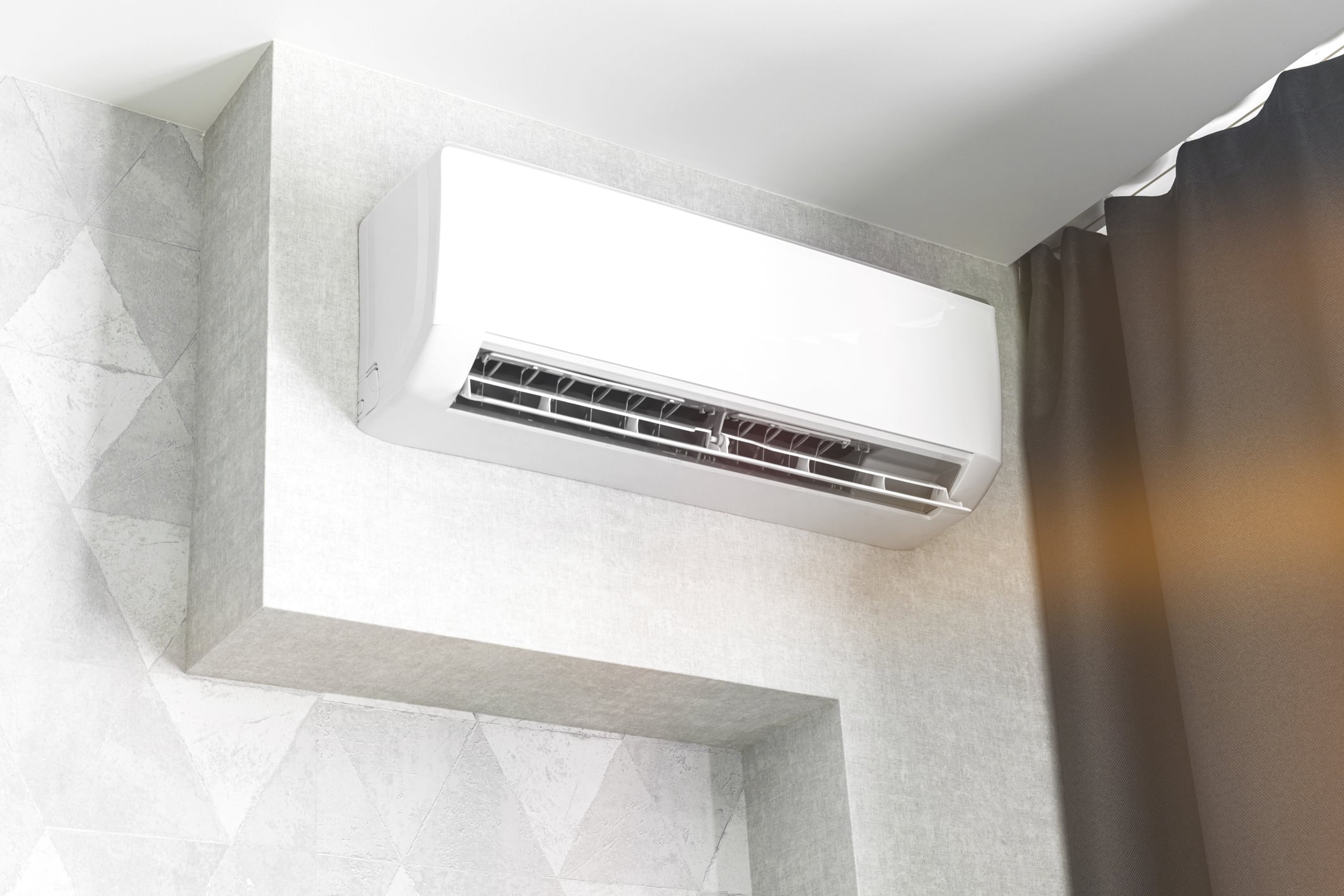
Different Types of Air Conditioning Systems

Floridians know the importance of having a good air conditioning system. The humidity and the heat can quickly make things uncomfortable and leave you susceptible to heat exhaustion. Whether you need to have a system put into your newly built home or have to replace your existing AC unit due to issues, you need to choose the right one for your needs. 

With four different types of air conditioning systems available, it helps to know the ins and outs of each, so you can start off your search on the proverbial right foot. And at Natal Air Conditioning, we want to help. So, here’s what you need to know about each type of AC system. 

1. Preparing for All Temperatures with a Heat Pump

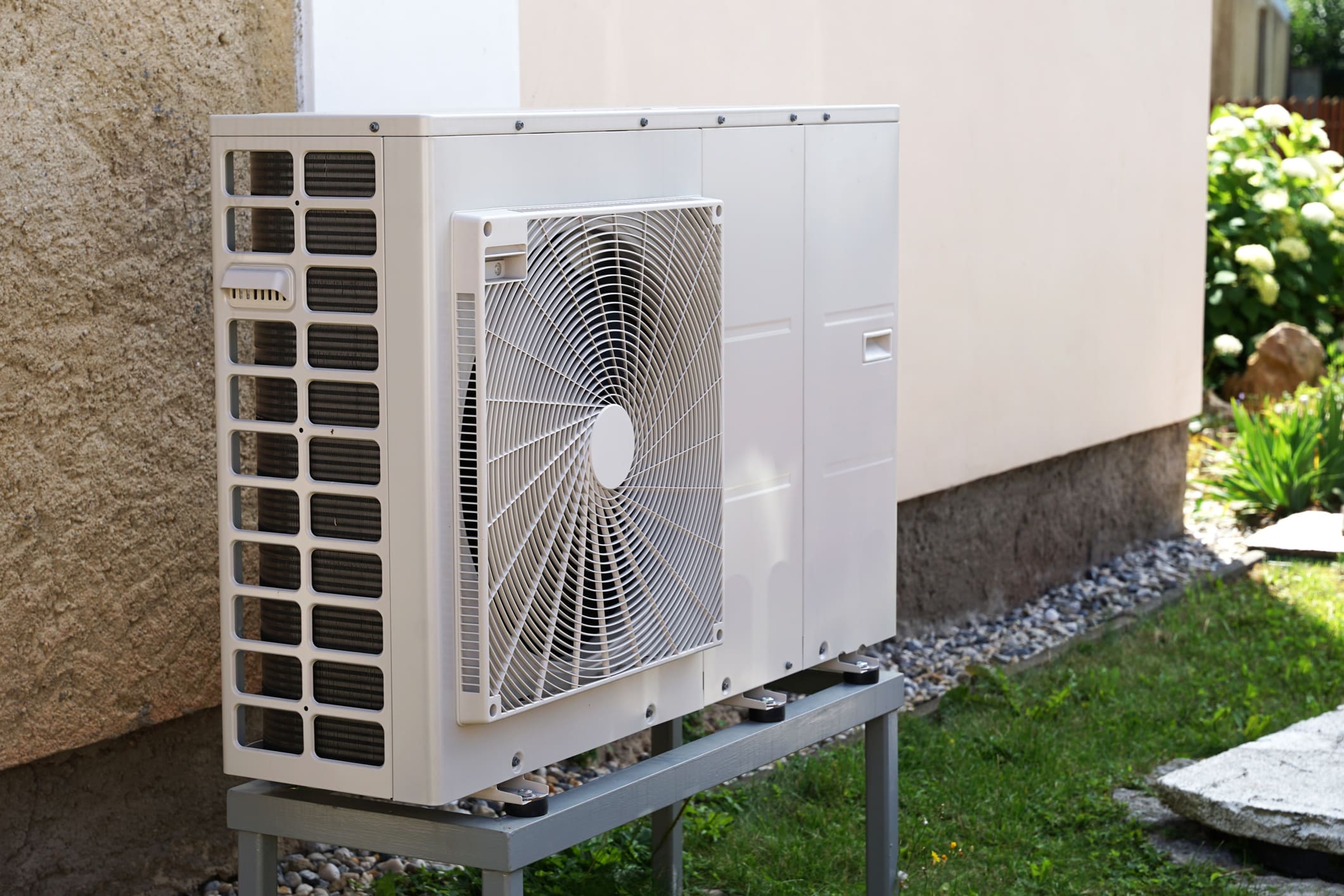
If you want to be ready for those somewhat chilly Florida winters and for the searing warm weather temperatures, then a heat pump might be your best choice. These systems both heat and cool your home, depending on the outdoor temperature. For example, in the summertime when it’s warm outside, a heat pump will remove the warm air from inside your home, cooling down the interior. It does the exact opposite in the winter, helping you stay warm. 

Some of the advantages of a heat pump system include its environmental friendliness, as it relies on less gas and electricity to work. This also lowers your utility bills. However, these systems tend to be less efficient in cooler weather, as they aren’t as good at taking the outdoor air and warming it inside to heat your home. Thankfully, when they’re in AC mode, they’re quite efficient and will definitely keep your home cool. 

Heat pump

2. The Classic Central Air Conditioner

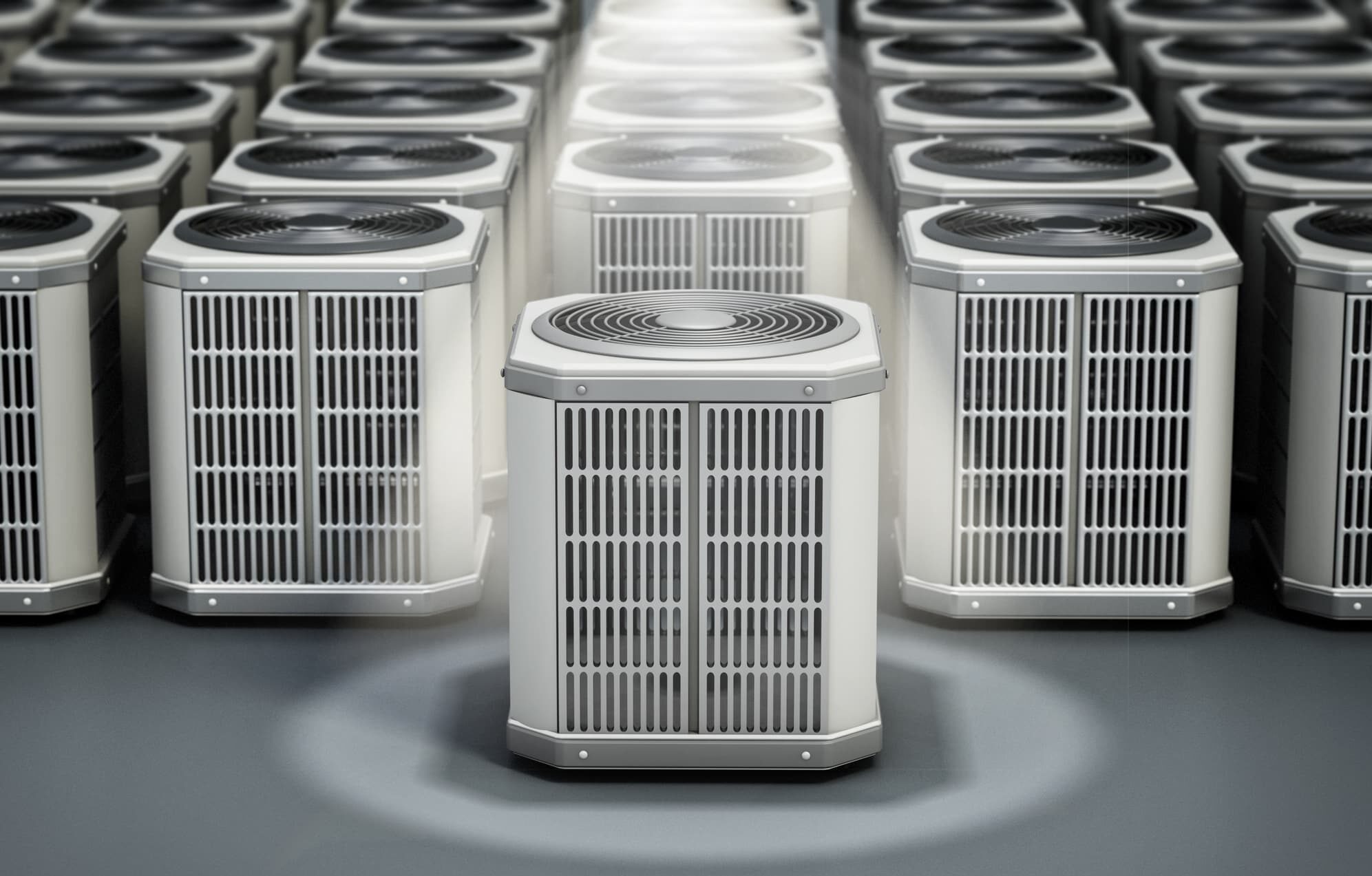
Central air conditioners are the main type that comes to mind when you think about AC units. These systems, which consist of a single outdoor air conditioner that’s connected to all of the vents in your home via ductwork, are designed to be efficient and will keep the interior of your home set at the temperature that you prefer. In many cases, they attach to your existing furnace system and need to use parts of it in order to run properly. 

In the past, central air conditioners were much less energy efficient than they are now, so they have sort of a bad reputation. Thankfully, modern technology has changed them for the better, and you’ll have consistently cool air in every room of your home with one. In addition, they’re good at removing the humidity from the interior of your house as well, which is a bonus in the Florida heat. With that said, you’ll still have some higher energy bills in the warmer months when you use one. 

Central-AC-Systems

3. Space Saving Packaged Air Conditioning Systems

Packaged AC systems are interesting because they contain everything that they need to work in one unit. Unlike a central AC system, which requires the use of your furnace (if you have one) and your existing ductwork to run properly, a packaged unit consists of the condenser, evaporator, and compressor all in one piece of equipment. The AC unit sits outside of your home, where it takes in hot air, cools it, and then pumps it into your home. 

When it comes to packaged systems, you have several options. There are the traditional window units that sit in a room of your home and keep the surrounding interior area cool. These are also larger units that can cool down an entire home. This makes it a good option for smaller areas that need AC, such as condos, as well as houses that lack the proper ductwork and furnace that a traditional central AC system needs to function. Some of the advantages of these systems are their flexibility, as well as the fact that they’re much quieter than a standard unit, as all of the components are outdoors. 

Package AC System

4. Create Zones with Ductless Mini-Splits

Speaking of homes without ductwork, if you have one and want to be able to create AC zones in your house, then a mini-split may be your best option. These systems are mounted on the interior walls of your home and don’t require any ductwork in order to cool down the area. They don’t really take up much space, but they do have some limitations when it comes to effectiveness, as they only cool down the general area that they’re placed in. With that said, this can be a bonus, especially if you live with people who tend to run colder or hotter than you do. Everyone can have their own mini-split and remain comfortable.

While mini-splits are less complicated to install than full-size AC units, they tend to be a bit ugly and take up space on your walls. You can’t cover them without affecting their efficiency. They also tend to cost more upfront, although you’ll get your money’s worth as they use less electricity, which leads to lower energy bills. In addition, mini-splits don’t allow for the same ventilation as other systems, but this not necessarily be a bad thing, depending on how your home is set up.

Ductless Mini Splits

Additional Considerations When Choosing an AC System

Energy Efficiency Considerations

When selecting an AC system, it’s important to consider its Seasonal Energy Efficiency Ratio (SEER) rating. Higher SEER-rated systems use less energy, which means lower utility bills. In Florida’s hot climate, a SEER rating of at least 15-16 is recommended for optimal efficiency. Some high-efficiency models with SEER ratings of 20+ can provide even greater long-term savings, despite a higher upfront cost.

Cost Factors & Maintenance Needs

Each AC system has its own upfront costs and long-term expenses. While central air conditioners may have higher installation costs, they provide whole-home cooling and increased property value. Mini-splits offer energy efficiency but may require multiple indoor units for larger homes. Regular maintenance, such as filter replacements, coil cleaning, and refrigerant checks, can significantly extend the lifespan of any system and improve efficiency.

Best Options for Florida Climate

Florida’s high humidity and extreme heat demand a system that not only cools but also removes moisture from the air. Central air conditioners and heat pumps are particularly good at humidity control, preventing mold growth and indoor air quality issues. Investing in a system with built-in dehumidification or pairing your AC with a whole-house dehumidifier can be especially beneficial in Florida’s tropical climate.

Lifespan & Durability

The lifespan of an AC system depends on factors such as usage frequency, maintenance, and climate conditions. On average:

  • Central AC systems last 12-15 years.
  • Heat pumps last 10-12 years due to dual heating and cooling functions.
  • Ductless mini-splits last 15-20 years, making them one of the most durable options.
  • Packaged systems vary but typically last 10-15 years.

Choosing a high-quality system and scheduling annual maintenance can help maximize your investment and ensure long-term reliability.

Selecting an Air Conditioner

The good news is that every one of these air conditioners, from the heat pump to the central AC, to the packaged AC, to the mini-split, can all keep your home cool and comfortable. However, each is very different, meaning that you have some decisions to make. Whether you want to heat and cool your home effectively, remove humidity from the air, stay cool while lacking the ducts required of a central unit, or set up zones in order to make everyone happy, you’re sure to find a unit that meets your specifications. 

Getting the Help You Need

If you aren’t sure which type of air conditioning unit is best for your home and needs, then reach out to our team at Natal Air Conditioning. Our experts can help you make the “cool decision,” and then go over every step of the installation process with you so that you’ll know what to expect when we arrive at your door. We’ve been in business for over 30 years for a reason: we know air conditioners and offer exceptional service. You won’t be disappointed when you choose Natal Air Conditioning!  Get a Free Consultation: Call Us at: (954) 788-0099

Monthly Archives: April 2024